

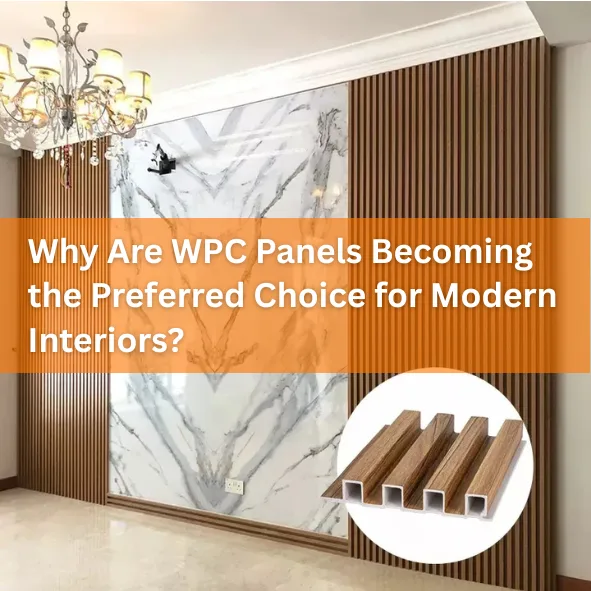
In today’s era of modern design, WPC panels for modern interiors have emerged as a stylish, sustainable, and practical solution that homeowners, architects, and interior designers are rapidly embracing. WPC (Wood-Plastic Composite) panels combine the natural aesthetics of wood with the durability of plastic, offering a perfect balance of beauty and performance. From wall cladding and ceiling décor to furniture and partitions, these panels are redefining interior spaces with their superior quality and visual appeal.
What Are WPC Panels?
WPC panels are engineered materials made by blending natural wood fibers with high-quality thermoplastic polymers. This fusion results in a product that looks and feels like wood but eliminates most of its drawbacks — such as termite attack, warping, or rotting. The panels are designed to be strong, low-maintenance, and weather-resistant, making them ideal for both residential and commercial interiors.
Unlike traditional wood, WPC panels for modern interiors are available in a wide range of textures, colors, and finishes — allowing designers to experiment with creativity while maintaining consistency in quality and performance.
Durability and Long Lifespan
One of the primary reasons behind the popularity of WPC panels is their exceptional durability. They are resistant to moisture, corrosion, and UV rays, ensuring that they retain their appearance and structural strength for years. Unlike plywood or MDF, WPC panels do not swell or warp when exposed to humidity, making them perfect for areas such as bathrooms, kitchens, and basements.
Moreover, their high resistance to scratches and impacts means they maintain a new, polished look with minimal upkeep — a quality highly valued in today’s fast-paced lifestyle.
Aesthetically Versatile and Customizable
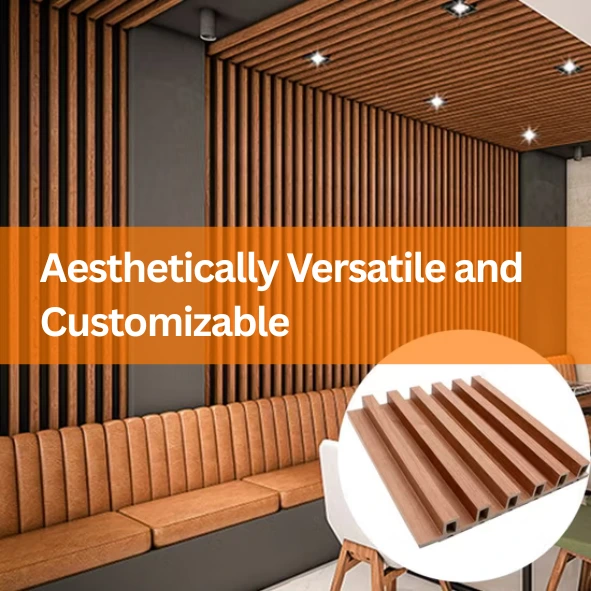
A major advantage of WPC panels for modern interiors lies in their versatility. They can mimic the look of natural wood, marble, or stone without the high maintenance costs associated with these materials. Available in matte, glossy, and textured finishes, WPC panels can blend seamlessly into contemporary interior themes — from minimalistic designs to luxurious spaces.
These panels are also easy to cut, drill, and shape, enabling customized applications for feature walls, ceiling highlights, TV units, and decorative partitions. This flexibility empowers interior designers to bring unique design visions to life.
Eco-Friendly and Sustainable
In a time when sustainability is a key design consideration, WPC panels offer a green alternative to traditional wood. They are made using recycled wood fibers and plastics, reducing the dependency on deforestation. Furthermore, they can be recycled at the end of their life cycle, making them an environmentally responsible choice.
The production of WPC panels also consumes less energy compared to natural wood processing, minimizing the carbon footprint. Thus, choosing WPC panels for modern interiors contributes not only to stylish design but also to a sustainable planet.
Low Maintenance and Easy Cleaning
WPC panels are virtually maintenance-free compared to natural wood. They do not require regular polishing, painting, or sealing. Cleaning is simple — a soft cloth and mild detergent are enough to keep them spotless. Their smooth, non-porous surface prevents dust, stains, and mold growth, making them ideal for households seeking low-effort interior solutions.
For commercial interiors such as offices, retail outlets, or restaurants, this low-maintenance feature translates into long-term cost savings and enhanced aesthetics.
Moisture and Termite Resistance
Traditional wooden panels often suffer from moisture damage and termite infestations, which can compromise their durability and appearance. WPC panels eliminate these problems entirely. Being non-porous and synthetic, they do not absorb water or provide a breeding ground for pests. This makes them perfect for humid climates and coastal regions, ensuring that interiors remain elegant and hygienic over time.
Fire Retardant and Safe
Safety is another factor that makes WPC panels for modern interiors a top choice. Many WPC products are designed to be fire-retardant, providing additional protection in case of accidents. Their non-toxic composition ensures that no harmful chemicals are emitted, making them safe for homes, hospitals, and educational spaces.
Cost-Effective and Long-Term Value
While the initial investment in WPC panels might be slightly higher than conventional materials, their long lifespan and low maintenance requirements make them a cost-effective option in the long run. You save on repairs, polishing, and replacements — a major advantage for budget-conscious homeowners and builders looking for value-driven interior materials.
Perfect for Both Residential and Commercial Applications
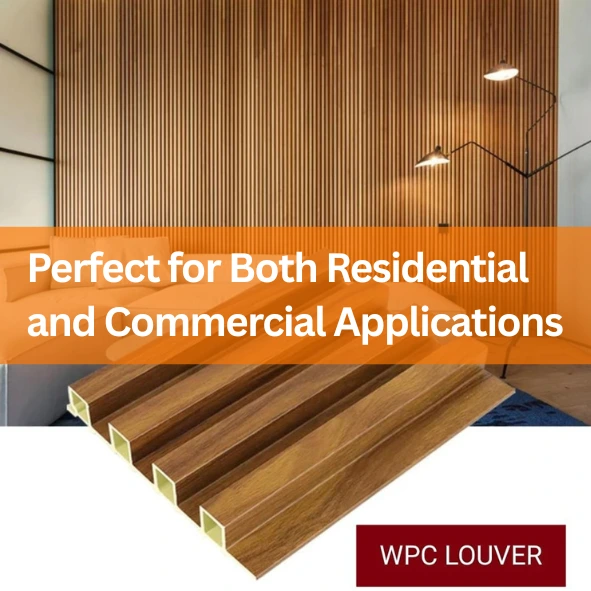
WPC panels are suitable for various interior applications — from living rooms and bedrooms to corporate offices and retail environments. Their refined finish and structural integrity make them ideal for false ceilings, wall claddings, modular furniture, and decorative backdrops. Whether it’s a luxurious villa, an apartment, or an office space, WPC panels enhance both aesthetics and performance.
The Future of Interior Design
The growing demand for WPC panels for modern interiors signifies a shift toward smarter, eco-friendly, and durable materials in the construction and design industry. As people become more conscious about sustainability, maintenance, and long-term value, WPC panels are set to dominate the interior design landscape for years to come.
Conclusion
WPC panels beautifully combine the warmth of wood with the resilience of plastic — creating a modern, sustainable solution for today’s interiors. Their unmatched durability, aesthetic flexibility, and eco-friendly nature make them the preferred choice for modern interiors across homes, offices, and commercial spaces. If you’re planning a renovation or designing a new space, choosing WPC panels ensures a perfect balance between style, strength, and sustainability.
Frequently Asked Questions
There are several reasons:
*They offer the look and feel of wood but with greater durability (resistance to warping, rotting, and termites) than natural wood.
*They are resistant to moisture and suited for wet/humid areas (bathrooms, kitchens) where traditional wood might fail. They require less maintenance (no frequent painting or sealing) and have good long-term value. One-stop Wood Panel Supplier.
*They allow design flexibility: many finishes, textures and ways to use them (accent walls, ceiling panels, commercial interiors). They are viewed as more eco-friendly (use of recycled plastics/wood fibre and less demand on virgin timber).
Yes — one of the key advantages of WPC is its moisture resistance, making it suitable for bathrooms, kitchens, humid climates and even some outdoor uses (depending on manufacturer rating).
While actual lifespan will depend on product quality, installation and environment, many sources mention WPC panels can last 15-30 years or more under normal conditions, thanks to their durability and low maintenance.