

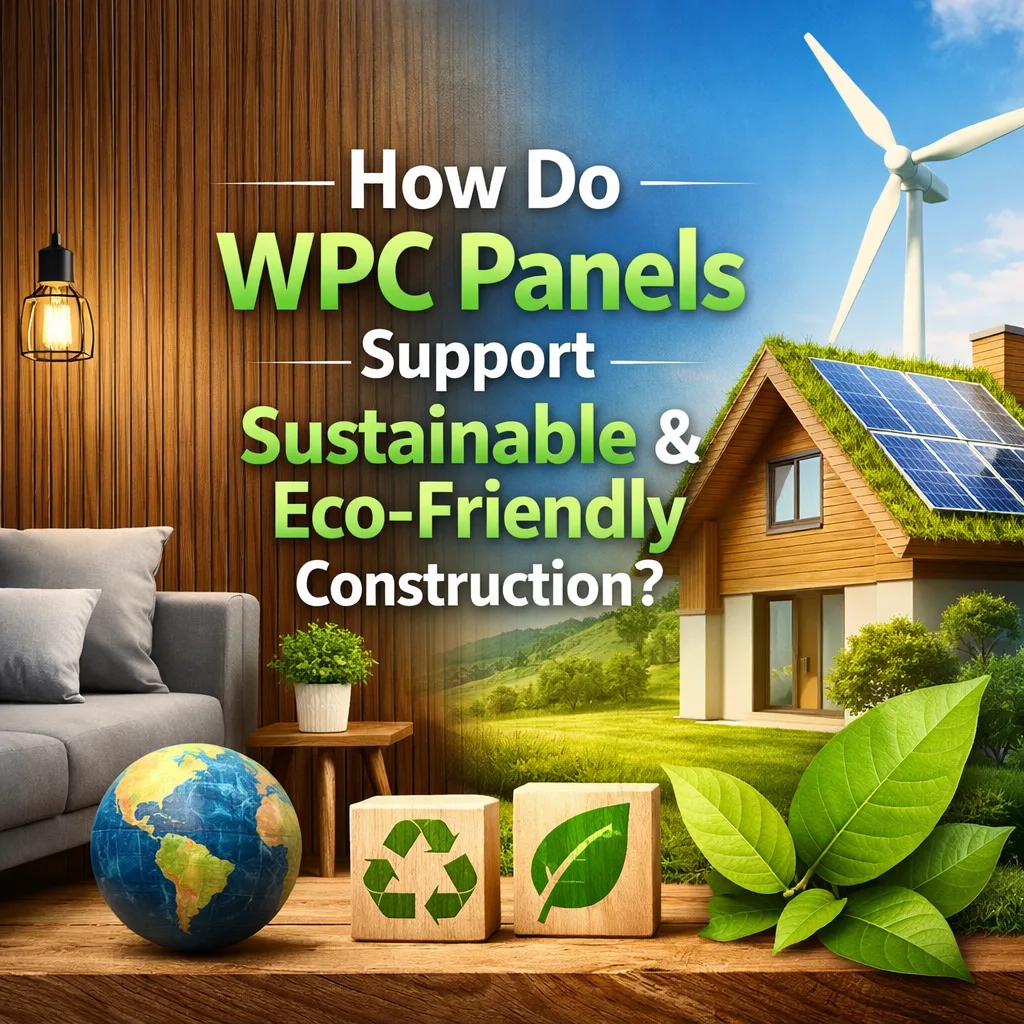
Sustainability has become a major priority in modern construction and interior design. Homeowners, architects, and builders are increasingly looking for materials that reduce environmental impact while still offering durability and aesthetic appeal. One such innovative material that is gaining popularity is WPC panels. These panels provide a perfect balance between environmental responsibility and modern design.
Wood Plastic Composite (WPC) panels are widely used for interior wall cladding, decorative walls, and commercial spaces due to their durability, low maintenance, and eco-friendly properties. They are designed to reduce the reliance on natural wood while offering a similar aesthetic appearance. As the construction industry shifts toward greener solutions, WPC panels have emerged as a sustainable alternative for both residential and commercial projects.
Understanding WPC Panels
WPC Panels Complete Guide from Composition to Benefit
WPC panels are manufactured using a combination of wood fibers or wood powder and thermoplastic materials. This blend creates a strong composite material that combines the natural look of wood with the durability of plastic. The manufacturing process allows the material to be molded into decorative wall panels, cladding systems, and interior design elements.
The composition of WPC panels makes them resistant to moisture, termites, and environmental damage. Unlike traditional wood panels, they do not require frequent polishing, painting, or chemical treatments. This reduces the overall environmental impact associated with maintenance and chemical usage in buildings.
Reduced Use of Natural Wood Resources
One of the biggest environmental advantages of WPC panels is that they reduce the need for natural timber. Traditional wood panels often require cutting down large numbers of trees, contributing to deforestation and environmental degradation.
WPC panels help address this issue by using recycled wood fibers and industrial wood waste. Instead of relying entirely on freshly harvested timber, manufacturers use leftover wood materials from furniture factories, sawmills, and other industries. This approach significantly reduces the pressure on forests and supports responsible resource management.
By replacing traditional wooden wall cladding with WPC panels, construction projects can lower their environmental footprint while still maintaining the warm and natural appearance of wood.
Use of Recycled Materials
Another important factor that makes WPC panels eco-friendly is their use of recycled materials. The plastic component used in WPC panels is often derived from recycled polymers. These plastics are repurposed during manufacturing, preventing them from ending up in landfills or polluting natural ecosystems.
The combination of recycled wood fibers and recycled plastic makes WPC panels a sustainable material that supports circular economy principles. By reusing existing resources, the manufacturing process reduces waste and conserves valuable raw materials.
This recycling aspect is one of the reasons why WPC panels are widely recommended for environmentally responsible construction projects.
Long Lifespan Reduces Waste
Durability plays a major role in sustainable construction. Materials that last longer reduce the need for frequent replacement, which in turn minimizes waste and resource consumption.
WPC panels are designed to withstand moisture, humidity, and temperature fluctuations. Unlike traditional wooden panels, they do not crack, warp, or rot easily. Their resistance to termites and pests further extends their lifespan.
Because of their long durability, buildings using WPC panels require fewer renovations and replacements over time. This reduces construction waste and contributes to more sustainable building practices.
Low Maintenance and Reduced Chemical Use
Maintenance is another factor that influences the environmental impact of construction materials. Traditional wooden panels often require regular polishing, varnishing, or chemical treatments to maintain their appearance and prevent damage.
WPC panels require minimal maintenance. They can usually be cleaned with a simple cloth or mild cleaning solution. Since they do not need chemical coatings or protective treatments, they reduce the release of harmful substances into the environment.
This low maintenance requirement not only saves time and money but also contributes to healthier indoor environments.
Energy Efficiency in Interior Spaces
WPC panels also contribute to energy efficiency in buildings. The composite structure of the material provides a certain level of insulation, which helps regulate indoor temperatures.
When used as wall cladding or decorative panels, WPC materials can reduce heat transfer between interior and exterior surfaces. This helps maintain a comfortable indoor environment and reduces the need for excessive air conditioning or heating.
Improved energy efficiency leads to lower energy consumption, which ultimately reduces carbon emissions associated with building operations.
Supporting Green Building Practices
Modern construction projects increasingly follow green building standards that emphasize sustainable materials, energy efficiency, and waste reduction. WPC panels align well with these principles due to their environmentally responsible composition and long lifespan.
Architects and interior designers often choose WPC panels for eco-conscious projects because they combine sustainability with aesthetic versatility. These panels are available in various textures, colors, and finishes that complement contemporary interior designs while maintaining environmental responsibility.
By integrating WPC panels into building interiors, developers can support sustainable construction practices without compromising on design quality.
Conclusion
As the demand for environmentally responsible construction materials continues to grow, WPC panels are becoming a preferred choice for modern interiors. Their use of recycled wood fibers and plastic, reduced dependence on natural timber, and long lifespan make them a sustainable alternative to traditional materials.
In addition to their environmental benefits, WPC panels offer durability, moisture resistance, and minimal maintenance requirements. These features make them ideal for both residential and commercial spaces looking to adopt eco-friendly design solutions.
By choosing WPC panels, builders and homeowners can contribute to greener construction practices while creating stylish and long-lasting interior spaces. Sustainable materials like WPC panels represent an important step toward building a more environmentally responsible future.
Frequently Asked Questions
WPC panels support sustainable construction by reducing the need for natural timber, utilizing recycled materials, and offering a long lifespan. These features minimize resource consumption and construction waste, making them a smart choice for eco-conscious building projects.
WPC panels can be used for interior walls, ceilings, exterior cladding, decorative wall panels, partitions, and even outdoor applications depending on the product grade. Their flexibility allows them to be used in both residential and commercial environments.
Yes, WPC panels are resistant to moisture, termites, and pests because of their composite plastic-wood structure. This makes them suitable for humid environments and long-lasting construction applications.
No, WPC panels are low-maintenance materials. Unlike natural wood, they do not require frequent polishing, painting, or sealing. Simple cleaning with a damp cloth is usually enough to maintain their appearance.
WPC (Wood Plastic Composite) panels are made from a combination of recycled wood fibers and thermoplastic polymers. This manufacturing process uses waste materials that would otherwise end up in landfills, making WPC panels an environmentally friendly alternative to traditional wood products.
Yes, WPC panels are recyclable. At the end of their lifecycle, they can be shredded, melted, and reused to manufacture new composite products, reducing landfill waste and supporting a circular economy.