

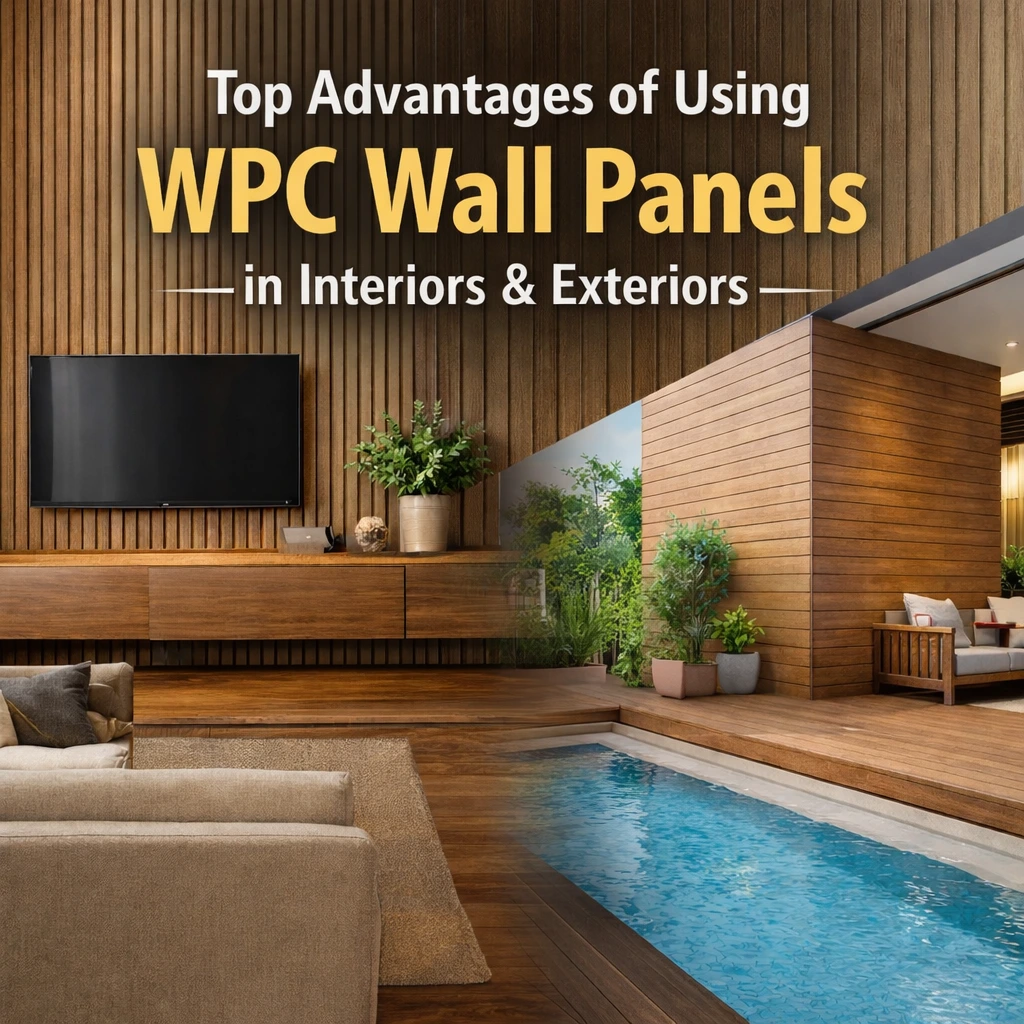
Wood Plastic Composite (WPC) wall panels are rapidly transforming the way modern buildings are designed and finished. Whether it is a stylish living room feature wall, a moisture-resistant bathroom surface, or durable exterior cladding, WPC panels offer a powerful combination of beauty, strength, and sustainability. Architects, builders, and homeowners are increasingly choosing WPC because it solves many of the problems associated with natural wood, MDF, or PVC alternatives.
In this article, we explore the top advantages of using WPC wall panels for both interior and exterior applications and why they are becoming a preferred material in contemporary construction.
Exceptional Durability and Long Life
One of the biggest benefits of WPC wall panels is their outstanding durability. Made from a blend of wood fibers and thermoplastics, these panels are engineered to withstand heavy use and challenging environmental conditions.
Unlike traditional wood, WPC does not crack, warp, or rot over time. It maintains its structural integrity even in areas exposed to temperature variations or humidity. This makes it ideal for long-term installations in homes, offices, commercial buildings, and industrial facilities.
Superior Moisture and Water Resistance
Moisture is the main enemy of many wall materials. Natural wood tends to swell, laminate surfaces peel, and paint bubbles when exposed to damp conditions. WPC panels, however, are designed to resist water penetration.
Because of their composite structure, they are perfect for:
- Bathrooms
- Kitchens
- Utility areas
- Basements
- Exterior façades in rainy or humid climates
This resistance helps prevent mold growth, fungal damage, and unpleasant odors, ensuring healthier indoor environments.
Low Maintenance Requirements
Property owners love WPC panels because they are easy to maintain. Unlike wood, they do not require polishing, painting, or regular sealing.
Routine care typically involves:
✔ simple wiping with a damp cloth
✔ mild cleaning solutions
✔ occasional dust removal
The color and finish remain intact for years, reducing lifecycle costs and saving both time and money.
Attractive Aesthetic Appeal
Modern WPC wall panels are available in a wide range of textures, colors, and finishes. Whether you want a natural wood grain look, a sleek matte design, or a bold decorative pattern, there is an option to suit every interior theme.
Designers appreciate the flexibility WPC provides for:
- Feature walls
- TV backdrops
- Office partitions
- Lobby decorations
- Retail interiors
For exteriors, they add a premium architectural touch without the maintenance burden of real timber.
Easy and Fast Installation
Construction timelines matter. WPC panels are designed with user-friendly installation systems that reduce labor effort and time.
Most panels are lightweight and can be installed using standard tools. Their interlocking or modular formats allow quick alignment, minimizing errors and material wastage. Faster installation translates into lower project costs and earlier completion.
Eco-Friendly and Sustainable Choice
Sustainability is no longer optional in today’s building industry. WPC panels support environmentally responsible construction because they often utilize recycled wood fibers and plastics.
By reducing dependence on natural timber, WPC helps conserve forests. Additionally, the long lifespan of the material means fewer replacements and less waste generation over time.
For green building initiatives, WPC is considered a smart alternative.
Strong Resistance to Termites and Pests
Termite damage can be devastating and expensive to repair. Since WPC contains plastic polymers, it is naturally resistant to insects and borers.
This makes it especially useful in regions where termite activity is common. Unlike wooden panels, there is no need for chemical treatments or periodic pest control.
Fire Retardant Properties
Many WPC wall panels are manufactured with fire-retardant characteristics. While performance varies by product grade, they generally offer better fire resistance than untreated wood.
This added safety feature makes them suitable for commercial buildings, corridors, and public spaces where compliance with safety standards is essential.
Excellent Weather and UV Resistance
For exterior applications, materials must survive sun, rain, and wind. WPC panels are engineered to handle harsh outdoor exposure without fading or deteriorating quickly.
They retain their color and structural strength much longer than painted surfaces or laminates, making them a reliable solution for façades and cladding.
Cost-Effective Over the Long Term
Although the initial price may sometimes be slightly higher than basic alternatives, WPC panels deliver excellent value over time. Savings come from:
- minimal maintenance
- reduced repair needs
- long service life
- no repainting or polishing expenses
When calculated over years of use, they often prove more economical.
Why WPC Panels Are the Future of Wall Solutions
From homes to commercial complexes, the demand for materials that combine beauty, performance, and sustainability is growing rapidly. WPC wall panels successfully meet all these expectations. Their versatility allows them to be used in virtually any space while maintaining a modern and elegant appearance.
As technology advances, we can expect even more innovative finishes, enhanced fire ratings, and improved insulation features, further strengthening their position in the market.
If you are planning an upgrade or a new project, WPC panels are a dependable, stylish, and future-ready choice for both interiors and exteriors.
Frequently Asked Questions
WPC panels are inherently water- and moisture-resistant, so they don’t swell, warp, or rot in humid areas like bathrooms, kitchens, or rainy climates.
Yes — because they resist rain, UV exposure, and insect damage, WPC panels are suitable for outdoor cladding, facades, balcony walls, and other exterior applications.
WPC wall panels are relatively lightweight and often designed with interlocking systems or simple mounting options, making installation quicker and easier compared to traditional materials.
Yes — due to their composite structure, WPC panels can provide some level of thermal and acoustic insulation, helping maintain indoor comfort and reduce noise transmission.
High-quality WPC panels are treated with UV stabilizers that resist fading or discoloration from prolonged sun exposure, helping them retain their look outdoors.
Unlike wood, which needs regular staining, sealing, or painting, WPC panels require only occasional cleaning with a damp cloth, making them much lower maintenance.