

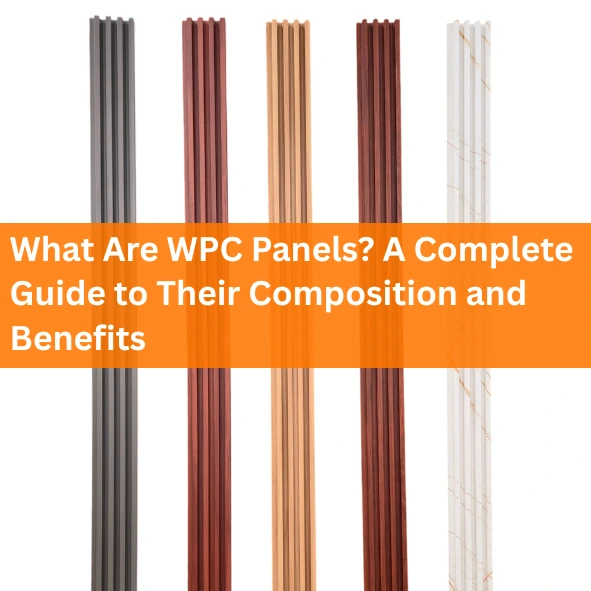
When it comes to modern construction and interior design, WPC panels (Wood Plastic Composite panels) are quickly gaining popularity. Known for their durability, eco-friendliness, and aesthetic appeal, these panels are a smart alternative to traditional wood, PVC, or laminate solutions. If you’re planning to upgrade your interiors or exteriors, understanding WPC panels, their composition, and benefits can help you make the right choice.
What Are WPC Panels?
WPC panels are advanced building materials made by blending wood fibers (or wood flour) with thermoplastics such as polyethylene, polypropylene, or PVC. This unique combination brings together the natural look of wood and the strength of plastic, creating a product that is durable, moisture-resistant, and versatile.
The ratio of wood to plastic can vary depending on the manufacturer, but the goal is the same — to produce a sustainable material that reduces reliance on solid wood while delivering excellent performance.
Composition of WPC Panels
The composition of WPC panels typically includes:
Wood Fiber/Flour (50–70%): Provides natural texture, appearance, and rigidity.
Thermoplastics (30–40%): Enhances durability, water resistance, and flexibility.
Additives (5–10%): Include stabilizers, lubricants, pigments, and UV protectors to improve performance, appearance, and longevity.
This engineered blend ensures that WPC panels maintain the beauty of wood while eliminating common issues like rotting, warping, or termite damage.
Key Benefits of WPC Panels
Durability and Strength
WPC panels are highly resistant to wear and tear, making them ideal for both residential and commercial applications. Unlike natural wood, they do not splinter, crack, or warp, ensuring a longer lifespan.
Water and Moisture Resistance
One of the biggest advantages of WPC panels is their ability to withstand moisture. This makes them perfect for kitchens, bathrooms, balconies, and outdoor cladding where traditional wood often fails.
Eco-Friendly Material
Since WPC panels are manufactured using recycled wood fibers and plastics, they help reduce deforestation and minimize waste. Many manufacturers follow green production practices, making WPC a sustainable alternative.
Low Maintenance
Unlike wood, WPC panels do not require regular painting, polishing, or sealing. A simple wipe with a damp cloth is enough to maintain their look, saving time and maintenance costs.
Aesthetic Appeal
WPC panels come in a variety of textures, finishes, and colors. They can replicate the look of natural wood, stone, or decorative patterns, giving you flexibility in designing modern, stylish interiors.
Termite and Pest Resistance
Since WPC panels do not contain natural cellulose in high amounts, they are resistant to termites and other pests that typically damage wooden surfaces.
Fire Resistance
Many WPC panels are manufactured with fire-retardant properties, ensuring safety in residential and commercial spaces.
Easy Installation
These panels are lightweight and can be installed quickly with basic tools. Whether used for ceilings, walls, or partitions, installation is hassle-free compared to traditional materials.
Common Applications of WPC Panels
WPC panels are versatile and can be used in numerous ways, including:
Interior Wall Panels: For living rooms, bedrooms, and lobbies to create stylish wall décor.
Ceilings: Adds a premium look while hiding wiring and reducing noise.
Outdoor Cladding: Protects exterior walls from weather damage while enhancing aesthetics.
Furniture: Used for modular kitchens, cabinets, wardrobes, and office furniture.
Partitions and Room Dividers: A cost-effective and durable option for modern homes and offices.
Commercial Spaces: Ideal for hotels, restaurants, and retail showrooms looking for long-lasting yet elegant décor solutions.
Why Choose WPC Panels Over Traditional Materials?
Compared to wood, laminate, or PVC panels, WPC panels offer a balanced mix of beauty, strength, and sustainability. Traditional wood may look premium but requires heavy maintenance and is prone to damage. PVC lacks the natural appeal of wood and may not withstand harsh conditions as effectively.
WPC panels strike the perfect balance by offering the warmth of wood with the strength of plastic. This combination makes them a future-ready material for interior designers, architects, and homeowners.
Final Thoughts
WPC panels are more than just a trend; they represent the future of eco-friendly and durable construction materials. Their unique composition provides unmatched benefits — from water resistance and durability to style and sustainability. Whether you are renovating your home, upgrading your office, or designing commercial spaces, WPC panels can add value, longevity, and elegance to your project.
If you’re looking for a smart, long-term solution for interiors and exteriors, WPC panels are a choice worth considering.
Frequently Asked Questions
WPC stands for Wood Plastic Composite. WPC panels are made by combining wood fibers (or wood flour) with thermoplastics (such as polyethylene, polypropylene, or PVC). The goal is to create a material that has the look and feel of wood but with enhanced durability and performance.
WPC panels offer several key benefits:
Durability & strength: They resist splitting, cracking, and warping.
Water & moisture resistance: Better suited for humid or wet areas (bathrooms, kitchens, balconies).
Low maintenance: No need for regular sealing, varnishing, or painting; easy cleaning.
Aesthetic flexibility: Available in various textures, finishes, and designs (wood-like, decorative, etc.). Termite & pest resistance: Less natural cellulose content means fewer issues with pests.
Fire retardancy: Many panels are manufactured with fire-resistant additives.
Ease of installation: Lightweight and manageable, installable with standard tools.
Eco-friendliness: Uses recycled wood fibers and plastics, reducing reliance on virgin timber.
Maintenance is minimal. Typically, a simple wipe with a damp cloth is enough to keep them clean. There’s no need for regular polishing, painting, sealing, or varnishing.